
Blog · Getting a teenager into therapy
Signs a Child Needs More Than Reassurance
Clinically reviewed by Casey Moser, CSW ·

Why you keep being told to wait
You've probably mentioned it to someone already: a teacher, your own mom, the pediatrician at a checkup. Most of them said some version of "wait and see," and a lot of the time, that's good advice. Kids really do move through hard patches and come out the other side.
Where it stops being good advice is when the hard patch doesn't end. There's no magic number of weeks. A change that has lasted a while and is getting in the way of school, friendships, sleep, or life at home is a pattern, not a bad week, and it's worth talking to someone about.
"Wait and see" also leaves out what waiting costs. If your child has stopped doing the things they used to love, every month of waiting is another month without them: friendships, a sport, a class they used to enjoy. Those don't pause while a family decides what to do.
Changes worth paying attention to
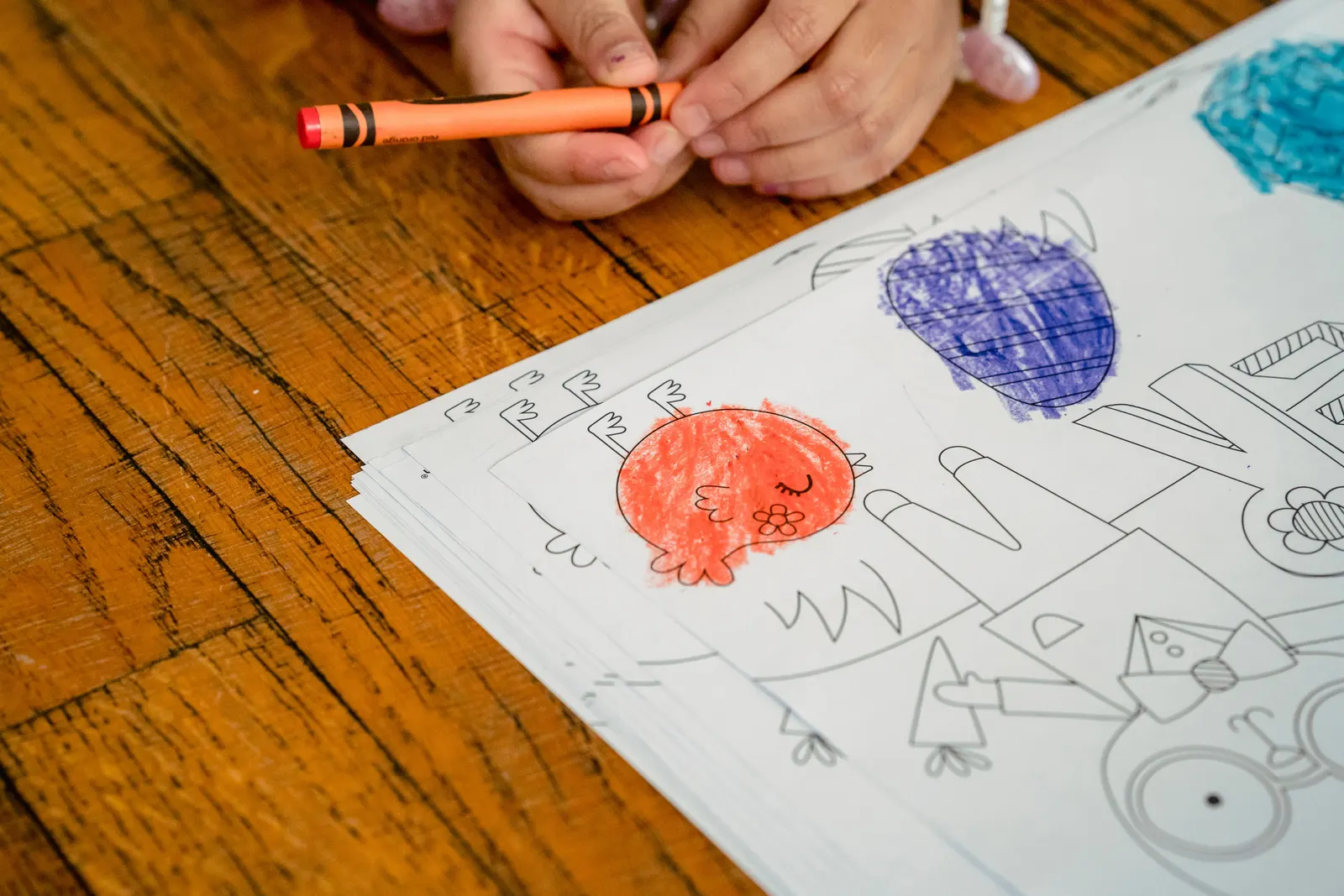
None of these is a diagnosis, and none of them means something is wrong with your child. They're the kinds of changes a therapist would want to hear about, written the way a parent would actually notice them.
- School has dropped off sharply, and it isn't explained by a hard class or a new teacher
- Worry has started to stop them: something they could do last year, they won't do now
- They can't settle at all, in a way that feels different from just being an energetic kid
- Nights are hard again and again, and mornings are harder because of it
- Anger shows up over things they used to handle, and it lasts longer than whatever set it off
- Defiance has become their default, not just a bad day
- They've said something about hurting themselves or not wanting to be here
That last one is different from the others. If your child says it, even once, even in anger, take it seriously that same day. You can call or text 988, the Suicide and Crisis Lifeline, any time of day or night, including just to ask what to do as a parent. If your child is in immediate danger, call 911.
What is not on the list
A quiet child isn't a warning sign. Being shy, preferring one close friend to a big group, wanting the bedroom door shut: that's temperament. When temperament gets treated like a symptom, kids can start to believe who they are is a problem to fix.
A hard month isn't a sign either. A move, a grandparent dying, a friendship ending, a parent traveling for work. Kids react to those things, and the reaction is the healthy part. What you're watching for is whether the reaction keeps going long after things have settled.
Big feelings at expected ages aren't a sign. Preschoolers have tantrums and young teens slam doors. That's development, not a red flag.
And one more that parents bring up a lot: a child who won't talk to you about it. Pulling back from parents is a normal part of growing up, especially for preteens and teens. It doesn't tell you much about how they're actually doing.
What to watch in the two weeks before you book
You don't need to be sure before you book. But two weeks of paying attention can make the first session much more useful, because a therapist will mostly ask about patterns, not single incidents.
Write down when the hard moments happen and who's around. Not what caused it, since that's usually a guess, and not whose fault it was. Just the time of day and who was there. Families are often surprised by how much of it clusters around one part of the day or week.
Notice what the good days look like, and whether there have been any. That question often tells us more than the one about bad days, and parents usually find it harder to answer. The good days hold clues about what's already helping.
And notice what you've already tried and how it went. A lot of parents arrive feeling like they haven't done anything, when really they've tried several things and some of them partly worked. That's useful to know.
What therapy with kids actually looks like
Kids are naturally wired to work through hard things. Therapy doesn't replace that process. It supports it.
What sessions look like depends on your child's age and needs. It might be play. It might be a game of Uno where we talk about feelings as we go. Or your child might be ready for more back-and-forth talking. We meet them where they are.
In the first session, we want to hear from you and from your child. Sometimes that's together, sometimes separately, depending on the situation. We want what your child hears you say about them to come from a place of strengths, so if there are hard things you need to share, we'll make time to hear them without your child in the room.
When to reach out for help
You don't need to hit a certain threshold. Families often wait because nothing has gotten bad enough to feel like permission, and it's common to hear afterward that they wish they'd come in sooner.
Here's a simpler test: you've started planning around it. Choosing which evenings to bring something up, picking restaurants by how loud they are, deciding not to have people over. When a struggle has started shaping your family's choices, it's big enough to bring to someone, whatever it turns out to be called.
You can read how we work with younger children on the child therapy page, or read about everyone here and pick the person yourself on the find your therapist page.
If something feels urgent rather than ongoing, the crisis resources page lists where to go tonight, and 988 is answered day and night.
Common questions
How many of these does it take?
- There's no count. One change that has lasted for months tells us more than three that showed up last week, and anything about self-harm stands on its own. The list is a starting point for a conversation, not a score.
Should I talk to the school first?
- It often helps, because teachers see your child in a setting you don't and can tell you whether this shows up there too. It's also completely fine to book first and talk to the school afterward. Either order works.
What if my child refuses to go?
- That's pretty common, and it's okay. You can start with a session on your own, which takes the pressure off a child who already feels singled out. Once kids see that sessions can include play or games, many warm up faster than parents expect.
Will my child be given a diagnosis?
- If you're using insurance, yes. Insurance requires a diagnosis in your child's chart, so part of the early sessions is getting a sense of what fits. It isn't a full psychological evaluation, and the diagnosis isn't the point of the work. If a formal evaluation would help, we'll tell you that plainly.
Talk to someone about this
You can read more about Casey Moser, browse the whole team, or call and ask a question.
Related reading
This article is general information, not therapy or a diagnosis. If you or someone you love is in crisis, call or text 988, or call 911 in an emergency.
About the Author

Casey Moser, CSW
My job as your therapist is to take the tools, approaches, and resources I've learned, both with other clients and in my own life, and fit them to you. Each session is shaped around your goals, your struggles, and what you need most right now.